Around the province, I have been fortunate to work with a variety of teachers, educational assistants, teacher candidates, and school teams! Over time, we have started to collect examples of differentiated unit plans with varying subject and grade levels. The best part, however is the EVERY SINGLE example includes a learners with a developmental disability. So, together with a collection of brilliant educators, there will be a new link on this blog called “Differentiated Unit Plan examples” to look at, which provide real life classes and scenarios of how schools have made the curriculum both accessible AND challenging to meet the needs of their diverse students.
These examples are built from the “Curriculum for ALL” facilitated collaborative professional development series, and is based on frameworks wring together which include: Class Profiles/Reviews, Response to Intervention, the Planning Pyramid, Universal Design for Learning along with many others.

This is a BIG shout out to the generous teams who have agreed to share their examples. Please note, that student names have been replaced with pseudonyms to protect privacy.
English Language Arts
Language Arts 1/2: What do good writers do?
Social Studies
Social Studies 3: A Pioneer Community
Social Studies 5: Humans and their Environment
Social Studies 5/6: Canada’s Evolving Economy
Social Studies 6: Canadian Society & Culture
Math
Science


 We learn about many different people in our schooling lives. An easy way to make this accessible for students with disabilities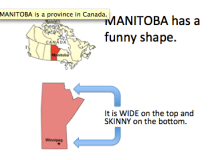
 This social studies 10 class was learning about supply and demand, for Sharon, however, her goal was to understand and differentiate the concepts of buy, sell, craft and goods. This also happened to be the the first lesson for everyone in the class. A great strategy for teachers who want to create accessibility and build background knowledge at the same time. Spending time on this foundational, otherwise assumed, background information, proves helpful to many students, not just those with additional learning needs. Although Sharon stayed with this goal for the unit, the rest of the class built on from there. A much easier strategy than teaching and then trying to simplify and retrofit curriculum after its been taught, or trying to modify a lesson on the fly. This book was used to support Sharon learn the new information.

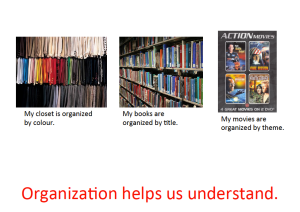 This book is about the big idea of organization, and how it is applied to the scientific elements. The book is written at two levels, at the conventional level for reading out loud to James, and at the transitional level for James to read independently. To differentiate the difference, James knew that his words were red.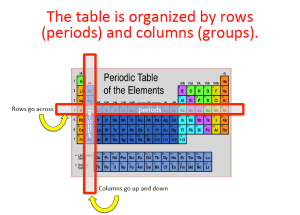

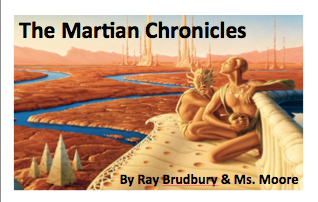

 Resources to Support Inclusion