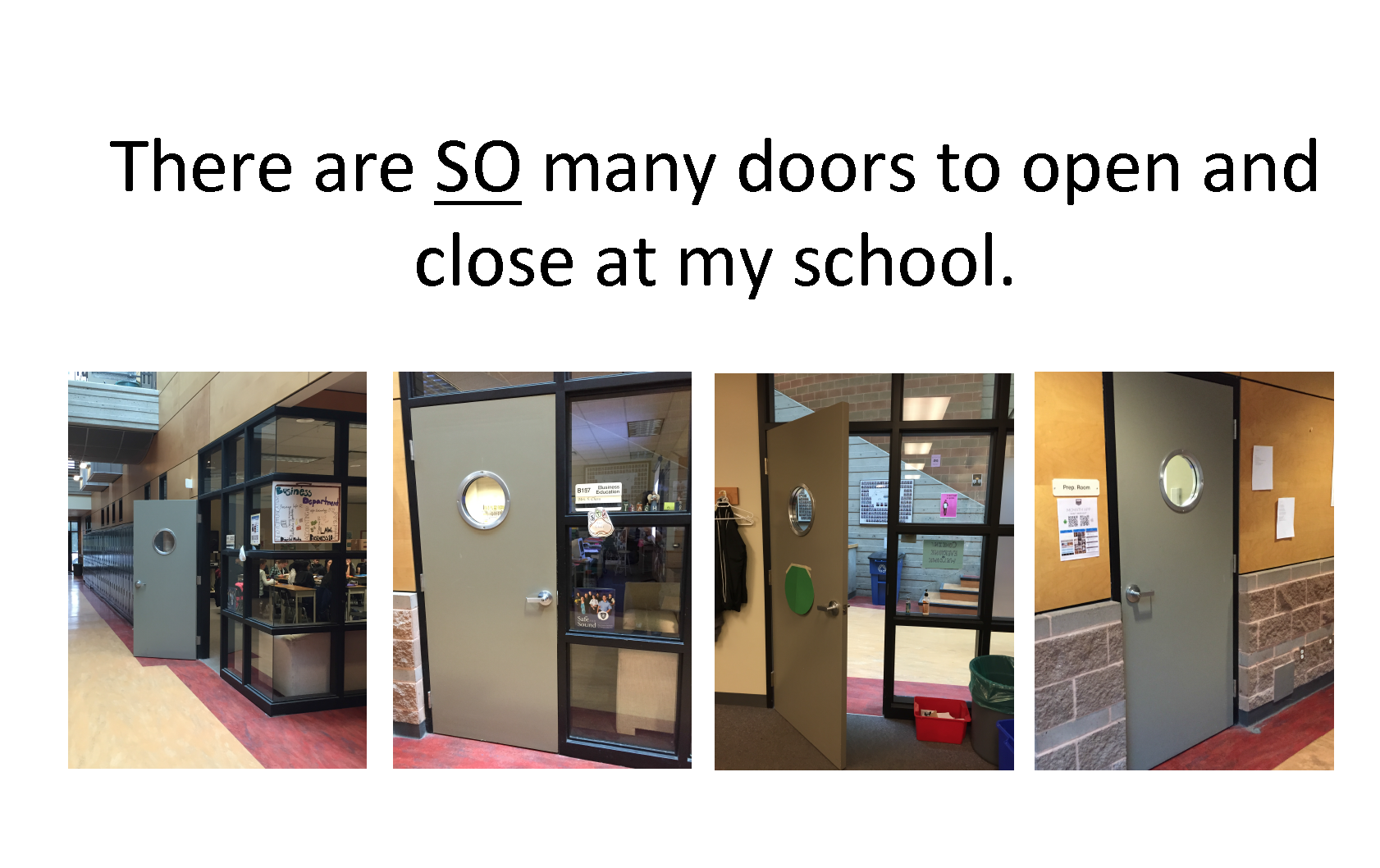
 Step 1 of inclusion is teaching skills to help students be a part of the physical community of a classroom or school! This book is one of a series created to teach behaviours around being at school and in classes specifically for a student named A. A. is a grade 8 student who loves doors! As A. walks down the halls of his school, he likes to open and close doors…which, as you can imagine… drives both teachers and students nuts. So rather than just never letting him walk in the hallways, A. and I wrote this book together.
A and I had a photo shoot and together, as a part of his program, him and his staff read it together and practice. We used a visual consequence map to help, which his staff carried around with them in a binder, to help A. when he was stuck. Or as a reinforcement tool, in case he exhibited the behaviour after it was taught.
Book: Me and My School
Target behaviour: Opening and closing doors
Literacy level of text: Transitional


 We learn about many different people in our schooling lives. An easy way to make this accessible for students with disabilities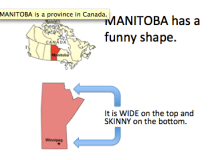
 This social studies 10 class was learning about supply and demand, for Sharon, however, her goal was to understand and differentiate the concepts of buy, sell, craft and goods. This also happened to be the the first lesson for everyone in the class. A great strategy for teachers who want to create accessibility and build background knowledge at the same time. Spending time on this foundational, otherwise assumed, background information, proves helpful to many students, not just those with additional learning needs. Although Sharon stayed with this goal for the unit, the rest of the class built on from there. A much easier strategy than teaching and then trying to simplify and retrofit curriculum after its been taught, or trying to modify a lesson on the fly. This book was used to support Sharon learn the new information.

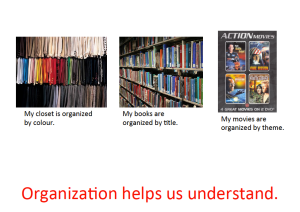 This book is about the big idea of organization, and how it is applied to the scientific elements. The book is written at two levels, at the conventional level for reading out loud to James, and at the transitional level for James to read independently. To differentiate the difference, James knew that his words were red.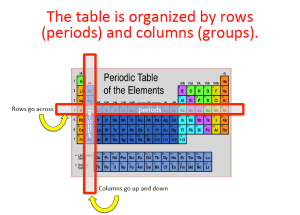


 Resources to Support Inclusion