Strategic Instruction: Humanities 9
I had the opportunity to collaborate with Linda Watson, a Humanities 9 teacher, and together we planned the unit: Arrival to Canada: First Contact.

The Essential Questions for the class were:
- Who were the major players of early settlement in Canada
- Where did they come from and where did they go? and
- What were the consequences of their arrival?
 For Lisa and Jack, the 2 student who were modified in the class, their goals were to answer the first 2 questions. As a part of a text set, I wrote a book for these 2 students with the information they need to answer the questions.

To incorporate literacy, as an extension activity, the class also had to prepare a mind map of the information. A scaffold was made for students, as well as a template built into the book for Jack and Lisa.
Goal Area(s): social studies- terms and vocabulary, Literacy- main idea and details/mind mapping
Literacy Level(s): Emergent (red print), Transitional (Black print)
Text: Arrival to Canada
Extension Activities: Mind Map (Emergent), Mind Map (Conventional)
 We learn about many different people in our schooling lives. An easy way to make this accessible for students with disabilities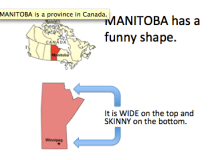
 This social studies 10 class was learning about supply and demand, for Sharon, however, her goal was to understand and differentiate the concepts of buy, sell, craft and goods. This also happened to be the the first lesson for everyone in the class. A great strategy for teachers who want to create accessibility and build background knowledge at the same time. Spending time on this foundational, otherwise assumed, background information, proves helpful to many students, not just those with additional learning needs. Although Sharon stayed with this goal for the unit, the rest of the class built on from there. A much easier strategy than teaching and then trying to simplify and retrofit curriculum after its been taught, or trying to modify a lesson on the fly. This book was used to support Sharon learn the new information.

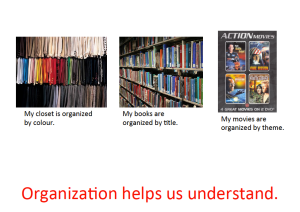 This book is about the big idea of organization, and how it is applied to the scientific elements. The book is written at two levels, at the conventional level for reading out loud to James, and at the transitional level for James to read independently. To differentiate the difference, James knew that his words were red.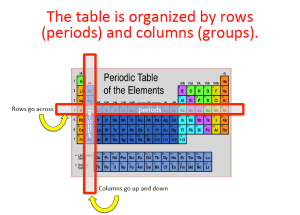


 Resources to Support Inclusion